
How Much Do You Need to Start Rent-to-Own in Ontario or Alberta?
Thinking about rent-to-own but unsure what it costs upfront? Here's a plain-English breakdown with real numbers for $500K–$700K homes in Ontario and Alberta.
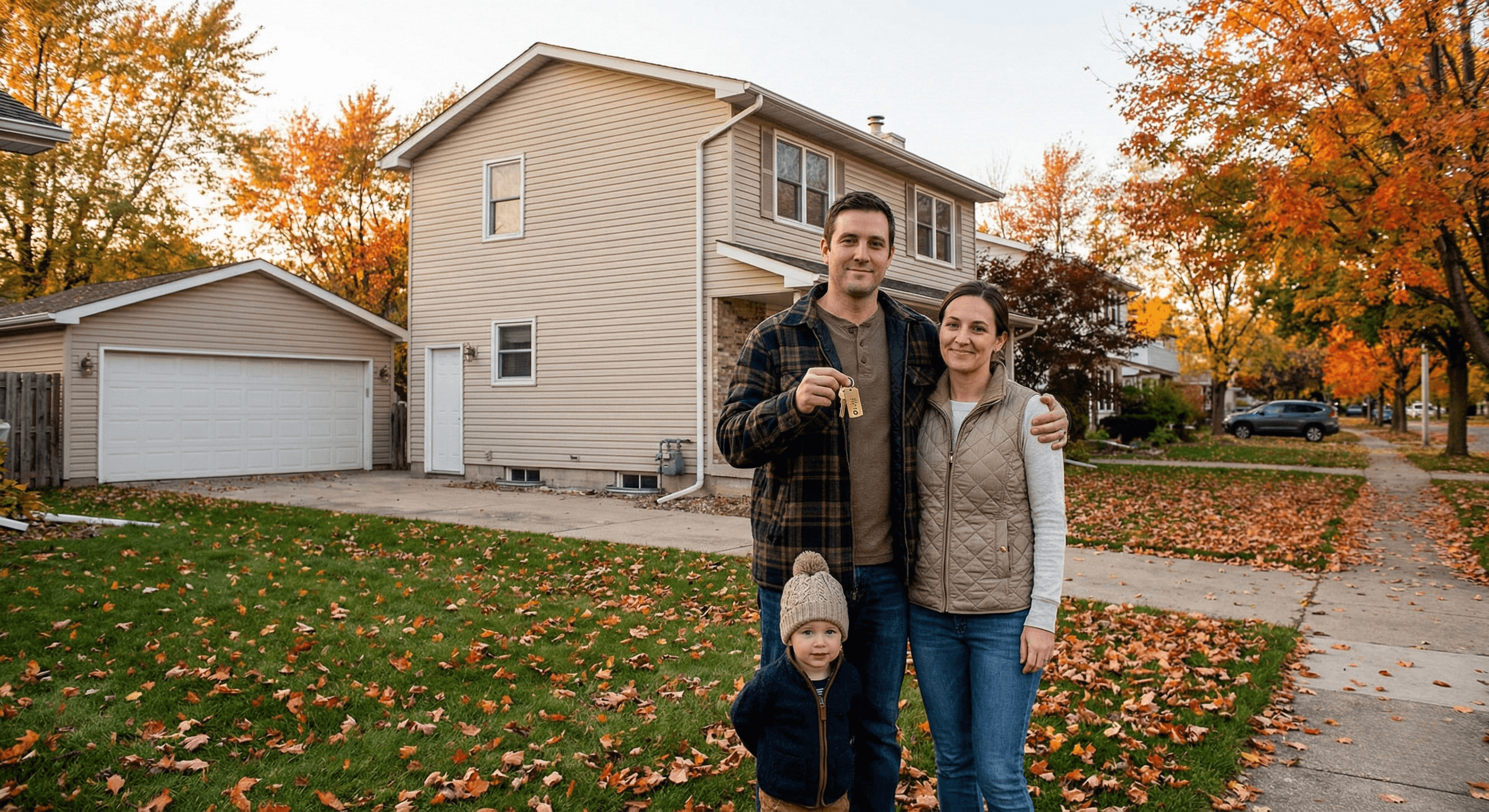
If you've been saving for a down payment and feel like the finish line keeps moving, you're not imagining it. In both Ontario and Alberta, a traditional home purchase typically requires $30,000 to $80,000+ before you sign anything — and that's before movers, inspections, or closing surprises.
Rent-to-own was built for exactly this gap. But what does it actually cost to get started? Let's put real numbers on it.
What You Need to Buy Traditionally in Ontario or Alberta
Before comparing, here's what the traditional path demands upfront on a $500K–$700K home.
On a $600,000 home:
> Total cash needed before moving in: $50,000–$80,000+
And that's the optimistic version. Many lenders want to see 20% down to avoid CMHC insurance — on a $600K home, that's $120,000 sitting in your account before a single box gets packed.
For newcomers to Canada, people recovering from a credit setback, or anyone who simply hasn't had years to save, that number isn't a gap. It's a wall.
What You Need to Start a Rent-to-Own
Rent-to-own has three upfront cost components. Here's what each one actually means — and what it costs.
1. The Option Deposit
This is the most significant upfront cost, and the most misunderstood. The option deposit is not a fee. It's your money, applied directly toward your down payment when you exercise your option to buy. Think of it as your portion of equity in the home from day one.
A typical option deposit at Clover is 4–5% of the home's purchase price. The more you can put in upfront, the less we need to borrow — which lowers your monthly payment.
| Home Price | 4% Option Deposit | 5% Option Deposit |
|---|---|---|
| $500,000 | $20,000 | $25,000 |
| $600,000 | $24,000 | $30,000 |
| $700,000 | $28,000 | $35,000 |
Most clients start in the lower end of this range — around $20,000–$30,000 — and build the rest of their down payment through monthly equity accumulation over the program term.
> Important: If you walk away from the purchase at the end of the term without completing the buy, you risk forfeiting this deposit. This is one of the key differences between a legitimate rent-to-own and a traditional rental. Skin in the game is what makes the program work — for both sides.
2. First Month's Payment
You'll make your first occupancy payment at closing when you move in — and you'll start building toward your down payment right away.
Monthly payments in a rent-to-own are higher than market rent. That's because your payment is structured more like a mortgage than a rental: it needs to cover the financing we arranged on the property you selected. The key difference is that a portion of every payment is credited back as equity, steadily growing your future down payment.
Estimated occupancy payments for a $600K home: $3,500–$4,500/month, depending on your initial option deposit and the property's taxes.
3. Program Setup Fees
Some rent-to-own companies charge admin or setup fees to cover legal documentation, property selection, and mortgage planning.
At Clover, there are no program fees. Zero. What you see in the cost breakdown below is what you pay.
Real Numbers: What It Costs to Start
Here's what a realistic entry into a Clover Properties rent-to-own looks like on a $600,000 home:
| Cost | Amount |
|---|---|
| Option Deposit (4%) | $24,000 |
| First Month's Payment | $4,000 |
| Home Inspection | $700 |
| Total to Start | ~$28,700 |
Compare that to $50,000–$80,000+ required to buy traditionally — and remember, the option deposit is yours. It's not a cost. It's a contribution toward the home you're going to own.
What You're Building During the Program
Over a typical 2–4 year rent-to-own term, you're not just renting and waiting. You're actively building toward ownership:
By the time your term ends, most clients have built enough down payment equity — between their initial deposit and accumulated credits — to qualify for a conventional mortgage.
Who This Is For
The numbers above make sense if you:
If you're not quite there yet, that's okay too. Talk to us about the timeline and what you'd need to be ready.
Side-by-Side: Rent-to-Own vs. Traditional Purchase
| Item | Traditional Purchase | Rent-to-Own (Clover) |
|---|---|---|
| Cash needed upfront | $50,000–$80,000+ | ~$25,000–$35,000 |
| Credit score required | 680+ (most lenders) | Flexible — plan matters more |
| Down payment | At signing | Builds over 2–4 years |
| Purchase price locked in | Market rate at closing | Yes — from day one |
| Equity building starts | Day of closing | Program start |
| Program fees | Varies | $0 at Clover |
Clover Properties operates rent-to-own programs across in Ontario and Alberta. All figures are estimates based on typical program structures and current market conditions. Individual program terms vary.
Ready to see what your number actually looks like? Every family's situation is different. Book a free consultation and we'll walk you through a personalized cost breakdown — no pressure, no obligations.
Related Articles
You're Closer to Owning Than You Think
Most Canadians overestimate how far they are from homeownership. Here's why the gap is smaller and more solvable than you've been told.
What Is Causing the Housing Issues in Canada?
Canada's housing problem is really three problems at once. CMHC data on first-time buyers, stressed mortgage holders and seniors shows why.
Rent-to-Own vs Renting and Saving: Which Path to Homeownership Is Right for You?
Choosing between a rent-to-own agreement and traditional renting while saving for a down payment can significantly impact your path to homeownership. This comprehensive guide breaks down both options to help you make an informed decision.