
From Newcomer to Homeowner: A 3-Year Plan That Actually Works
Canada's mortgage system wasn't built for newcomers. Here's a structured 3-year plan that closes the gap and gets you to conventional homeownership.
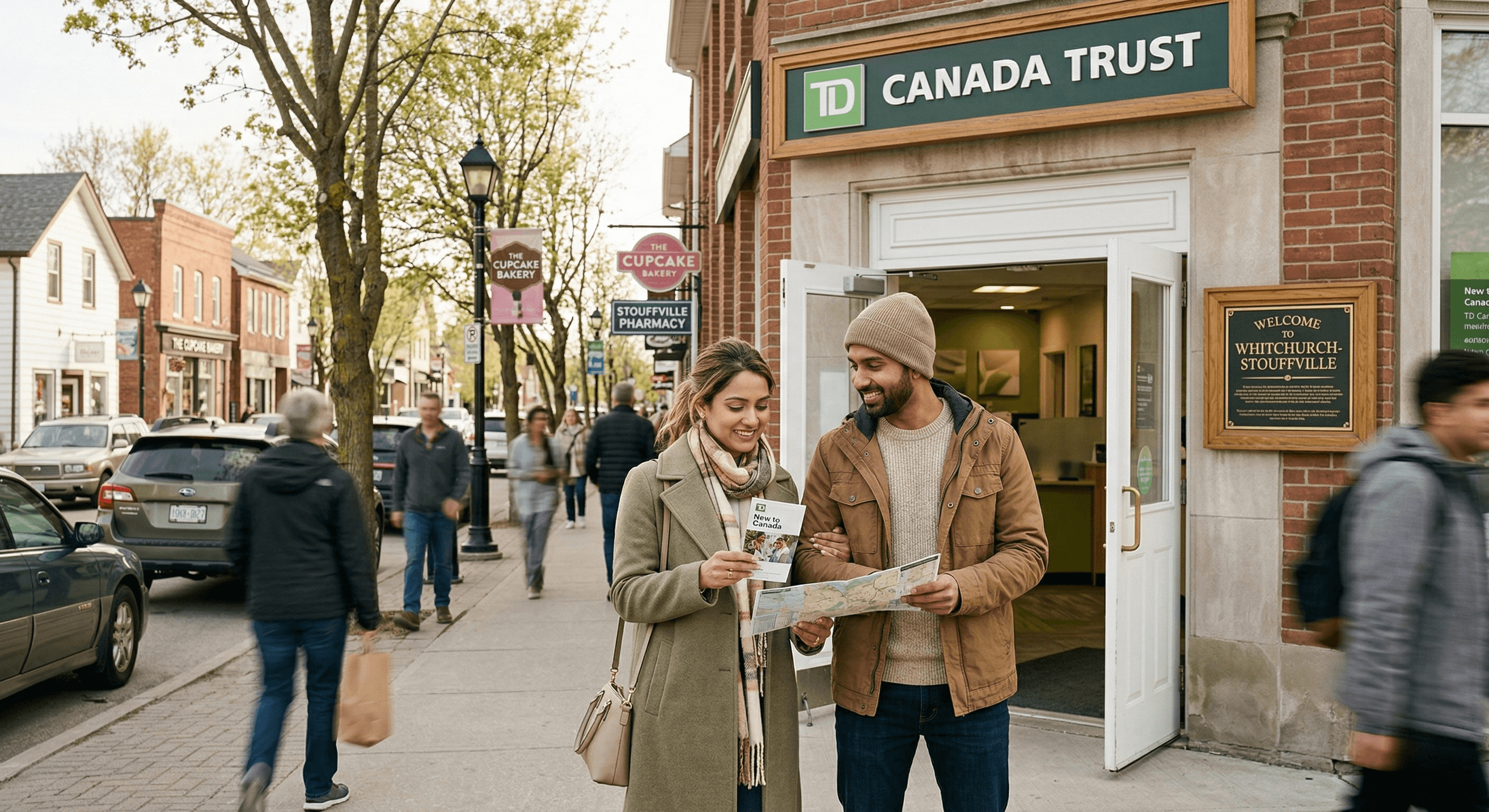
Canada's housing market was not designed with newcomers in mind. The mortgage system rewards Canadian credit history, stable employment records, years of tax filings and permanent residency, none of which you have when you first arrive.
That is not a personal failure. It is a structural gap.
The good news: that gap is closeable. Most newcomers who commit to a structured 3-year plan can qualify for a conventional mortgage, often sooner. Here is how the roadmap works.
> Clover's Affordability Formula: Annual income × 4.5 + option deposit = maximum home price. Minimum option deposit: $20,000. Program terms: 2–4 years + optional one-year extension.
Year 1: Build Credit and Savings Simultaneously
This year has one overriding goal: make yourself legible to Canadian lenders. You need credit history on file, and you need to demonstrate a savings habit. Both take time which means you cannot afford to start later. Time is the answer, there is no silver bullet.
Credit-Building Priorities
Savings Discipline
> A Common Mistake in Year 1: Many newcomers delay credit-building because they plan to "wait until they know where they'll settle." Every month of delay is a month of credit history you'll never get back. Start now, regardless of whether you move later.
Year 2: Prove Stability and Enter Rent-to-Own
By the start of Year 2, you should have 12 months of Canadian credit history and a growing savings base. This is the right time to enter the Clover Properties rent-to-own program, not because you are ready to buy, but because the program is designed to run in parallel with your qualification timeline.
What Rent-to-Own Actually Does for You
The stress test matters more than most newcomers realize. Clover budgets your payments using the Bank of Canada qualifying rate, not the contract rate. This means the number on your bank statement every month is the same number your mortgage broker will use to qualify you. There are no surprises at conversion.
Stability Signals to Build This Year
Year 3: Convert to Ownership
By Year 3, most Clover newcomer clients are within range of A-lender qualification. The question is whether you complete the full term or convert early.
The Standard Path: Convert at Term End
At the end of your 2–4 year rent-to-own term, your accumulated equity credits, original option deposit (down payment), and appreciation share combine toward your down payment. Your mortgage broker submits to an A-lender using your locked-in purchase price. You have three years of Canadian credit history, consistent payment records, your PR and a stable employment file. Most clients qualify.
> What Happens If You Need More Time? If you are not quite at the A-lender threshold at term end, Clover offers a one-year extension. Your deposit is protected and transferred during the extension so it is not forfeited. The goal is always a successful mortgage conversion.
The Plan Works Because It Is Built Around Your Actual Constraints
Most newcomers are not declined because they cannot afford homeownership. They are declined because the documentation lenders require takes time to accumulate.
A 3-year rent-to-own plan aligns exactly with that timeline: it gives you a home to live in while your financial profile matures into mortgage eligibility.
You are not waiting. You are building and at the end of three years, you own the result.
Looking for other resources that could help?
Why Your Credit History Doesn't Transfer to Canada.
How New Canadians can Buy a Home Without Canadian Credit History.
Ready to build your plan? Visit our pre-qualification page to connect with a Clover advisor and map out your path to ownership.
Related Articles
How Much Home Can You Afford in a Rent-to-Own Program?
Learn how Clover uses Canada's mortgage stress test to set your rent-to-own budget — so you can actually exit into a mortgage when your program ends.
How New Canadians Can Buy a Home Without Canadian Credit History
No Canadian credit history? Here's how rent-to-own lets newcomers move in, build credit, and buy their home — all at the same time.
Why Your Credit History Doesn't Transfer to Canada (And What to Do About It)
New to Canada? Your excellent credit from home doesn't count here. Learn why you start at zero and exactly how to build Canadian credit fast.